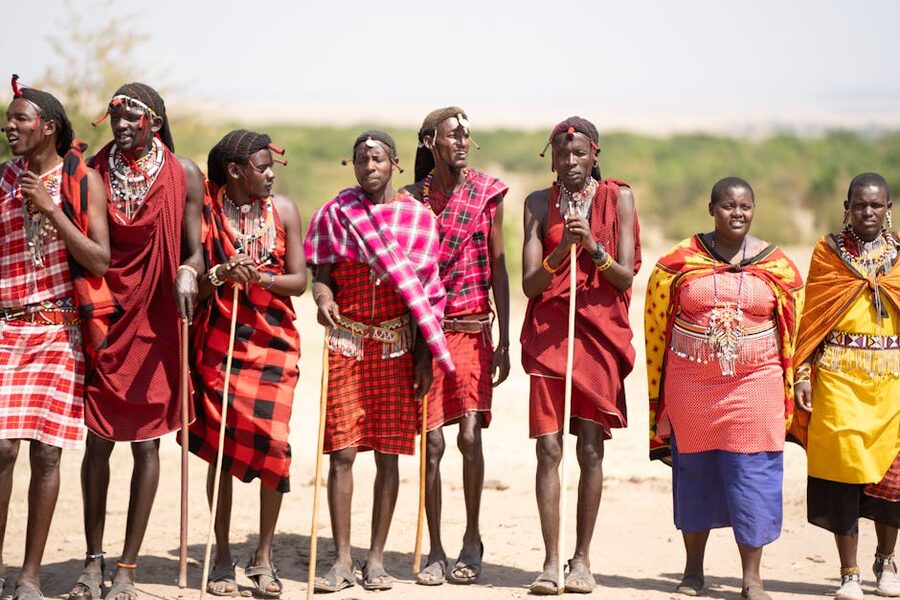
The first time I sat through a Maasai welcome dance laid on for tour buses, I remember thinking that everyone in the photo, including me, looked a little embarrassed. The men were leaping, the women were singing, and the visitors were doing that uneasy half-smile you do when you can tell a thing is being performed for you and you cannot quite figure out the right face to wear. The dance ended, the souvenirs came out, the cash changed hands, and the group filed back onto the bus. I was twenty-something and proud of myself for going somewhere that felt unusual. It took me a long time to admit that the visit had probably done very little for the people who hosted it.
That is the awkward part of the conversation about visiting Indigenous communities. The brochures sell the experience as enriching for everyone involved. Sometimes it is. Often the money mostly leaves with the operator, the cultural performance has been polished smooth by repetition, and the community gets a bit of cash and a lot of strangers wandering past their homes. The well-meaning visit can do real harm. What changes that is not skipping the visit, it is asking a different set of questions before you book and showing up in a different posture once you arrive.
This is a long one because the topic deserves it. If you only have five minutes, read the section on who actually owns the operator and the section on photography. They cover the two mistakes I see most.
In This Article
- Who Actually Benefits When You Visit
- Where to Find Indigenous-Owned Operators by Region
- United States
- Canada
- Australia and New Zealand
- Latin America
- Africa and the Arctic
- The Consent Question
- The Photography Rule, and Why It Is Not Just A Rule
- Dress, Ceremony, and What “Etiquette” Actually Means
- What to Ask Before You Book
- The Line Between Cultural Exchange and Cultural Extraction
- The History the Brochures Skip
- Language, Names, and How You Refer to People
- Money, and Where It Actually Goes
- What Mindful Travel Looks Like, In Practice
Who Actually Benefits When You Visit
The single most useful question to ask about any Indigenous tour is who owns it. Not who guides it or fronts it, but who collects the money at the end of the month. The answer changes everything else.
An Indigenous-owned operator routes most of the money back into the community. Profits cover wages, school fees, healthcare, language preservation, land stewardship. The guides are not playing a role written for them, they are sharing what they want to share, on terms they set. A non-Indigenous operator running an “Indigenous experience” usually pays the community a token fee per visitor, keeps the rest, and decides what gets performed and when. Even when the intention is good, the structure is extractive. The story is being told about people, not by them.
I have been to versions of both. The Indigenous-owned trips I have done felt like visiting a friend’s family, awkward in the way meeting any new family is awkward, and warm. The operator-run versions felt like watching a Las Vegas tribute act, only the performers were tired and the venue was someone’s actual neighbourhood. The first kind I would do again. The second kind taught me to ask better questions.
Here is the practical version of those questions, the ones I now send to any operator before I book:
- Who owns the company, and what percentage of the revenue from this trip stays with the host community? A straight answer is a good sign. Vague answers about “supporting local communities” usually mean a flat fee paid for access.
- Did the community itself design the experience and decide what gets shown? Or did the operator design it and bring the community in to perform their part?
- Are the guides on a wage with benefits, or are they paid per visitor? The difference matters for whether anyone can take a sick day.
- What happens during the off-season, when there are no tourists? Operators that say nothing happens are running a tap that turns on and off. Operators tied to a real community will tell you about everyday life.
If the answers come back in marketing language, that is information. If they come back as plain facts, with names of people who run things, that is a different kind of information.
Where to Find Indigenous-Owned Operators by Region
The good news is that finding genuinely Indigenous-led tourism is much easier than it was ten years ago. Several Indigenous tourism associations now run searchable directories, and you can use them to filter out the middlemen entirely. A few I keep coming back to.
United States
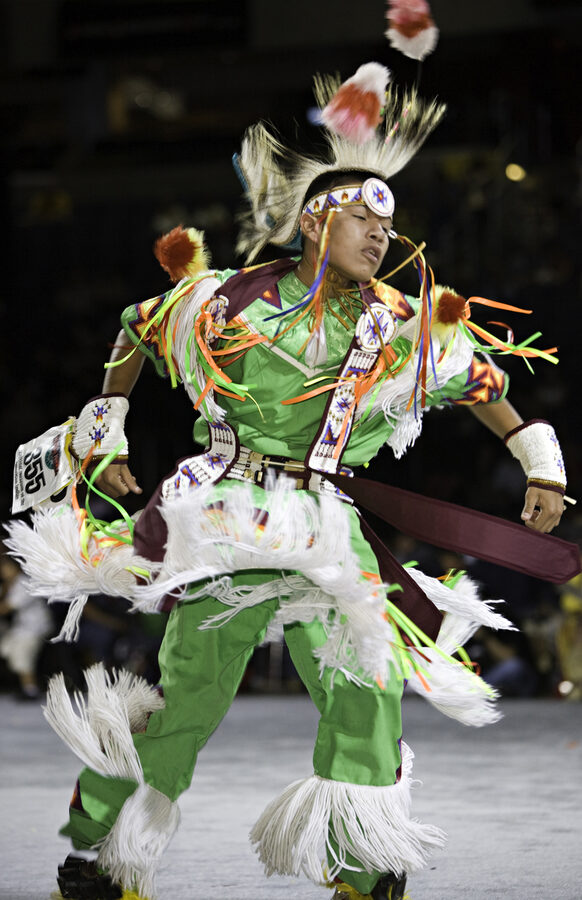
NativeAmerica.travel, run by the American Indian Alaska Native Tourism Association, is the official directory of Indigenous-led travel in the US. It is built in partnership with tribal nations themselves and covers experiences across more than 200 tribes. The site is genuinely useful for trip planning, not just a list of links. The Alaska Native Heritage Center in Anchorage is a good first stop if you are heading north, and the First Americans Museum in Oklahoma City is worth the detour if you are anywhere near it.
Canada
Destination Indigenous (destinationindigenous.ca), the consumer-facing site of the Indigenous Tourism Association of Canada, is the equivalent for the rest of the continent. Indigenous Tourism BC (indigenousbc.com) covers British Columbia in more depth. Parks Canada also lists Indigenous-led experiences in the national parks, which is useful because many of those landscapes are unceded territory and the Indigenous-led version of the visit is a different visit entirely.
Australia and New Zealand
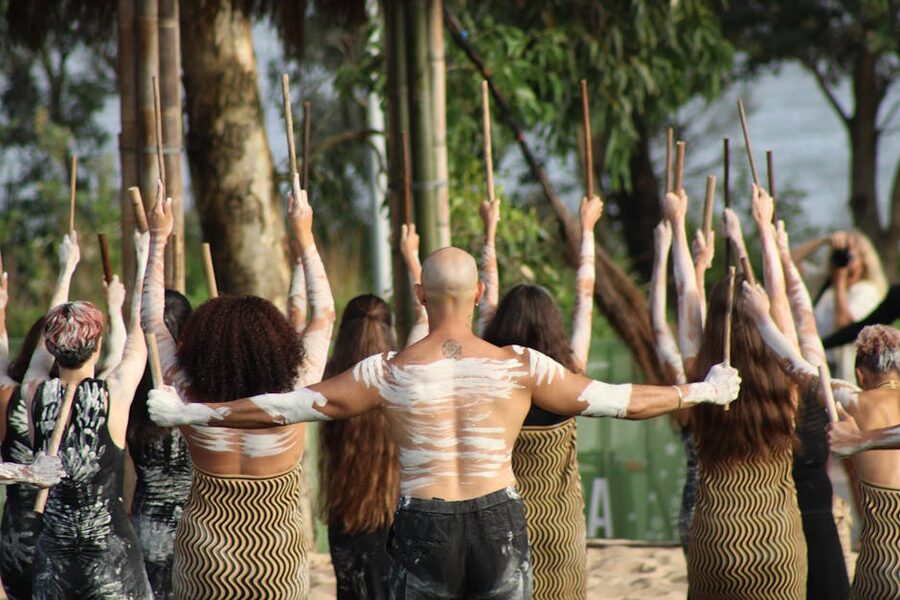
Discover Aboriginal Experiences, an offshoot of Tourism Australia, vets operators against an Indigenous-ownership and cultural-authority standard. In New Zealand, the New Zealand Maori Tourism body lists Maori-led operators who pass that test. In both countries you will see plenty of “Aboriginal experience” or “Maori cultural experience” tours run by big operators. They are often well done and often not Indigenous-owned. Worth knowing the difference.
Latin America
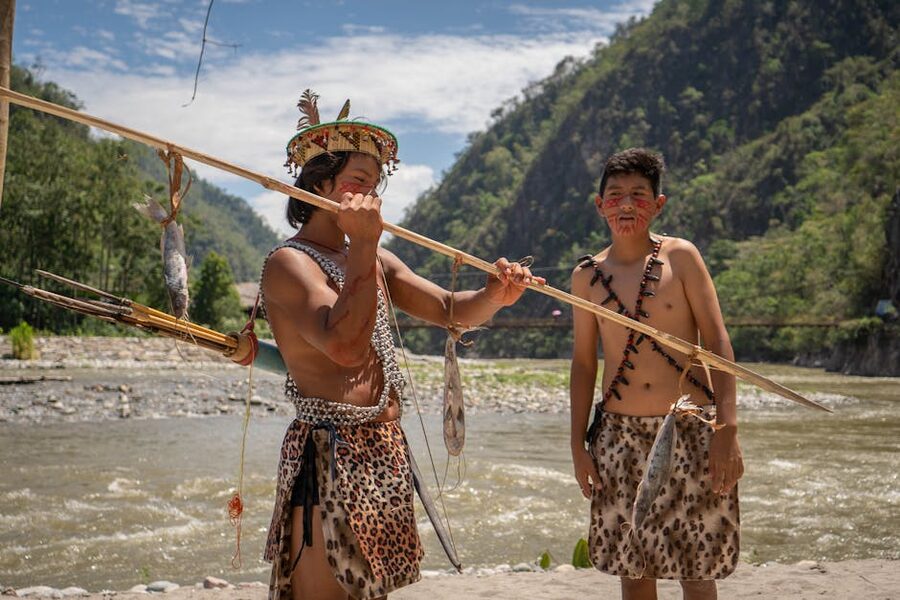
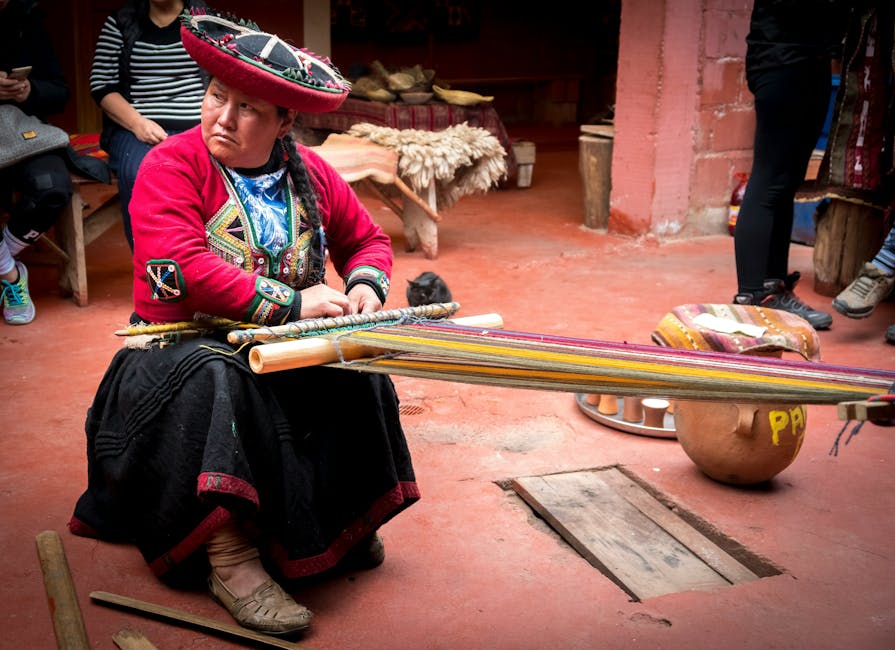
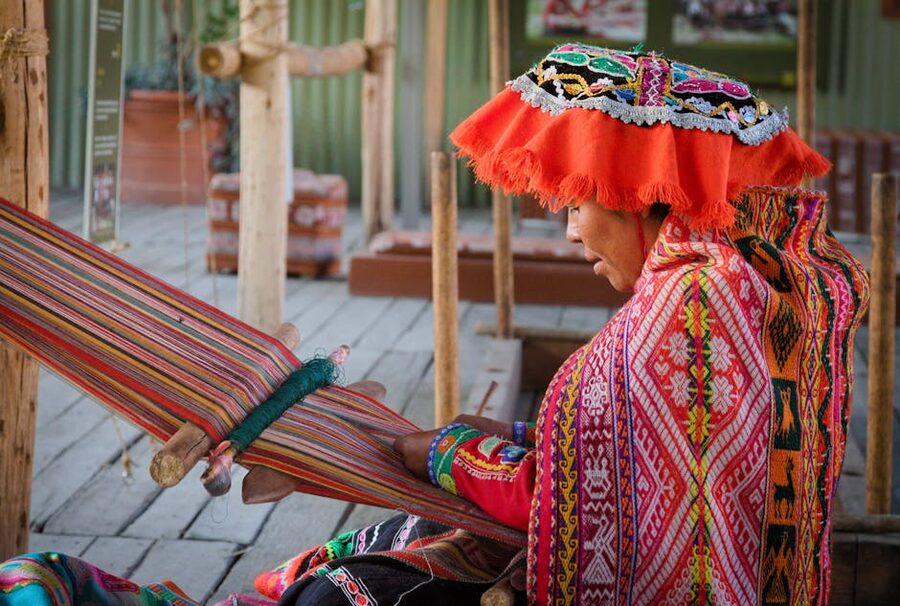
This is the harder region to navigate because there is no single directory. Country-by-country, look for community-run cooperatives. In Peru the Llachón and Amantani homestays on Lake Titicaca, and operators like Threads of Peru in the Sacred Valley, route revenue back through Quechua-speaking weaver collectives. In Ecuador, the Achuar-led Kapawi Ecolodge in the Amazon is the textbook example of community ownership. In Mexico, Yucatec Maya cooperatives run cenote tours and milpa farm visits in the Yucatan. The pattern in Latin America is to seek out cooperatives and homestays directly rather than book through an intermediary.
Africa and the Arctic

In East Africa, look for Maasai-owned conservancies rather than the cultural villages built next to safari lodges. The Mara Naboisho and Olare Motorogi conservancies in Kenya are community-owned and revenue goes to local landowners. In northern Scandinavia, Visit Sapmi keeps a list of Sami-owned reindeer-herding and lavvu experiences across Norway, Sweden, and Finland. In Greenland, the local outfit Visit Greenland flags Indigenous-led trips. In all three regions there is a thriving market in non-Indigenous operators selling lookalike experiences. The directories above are the shortcut to bypass them.
The Consent Question
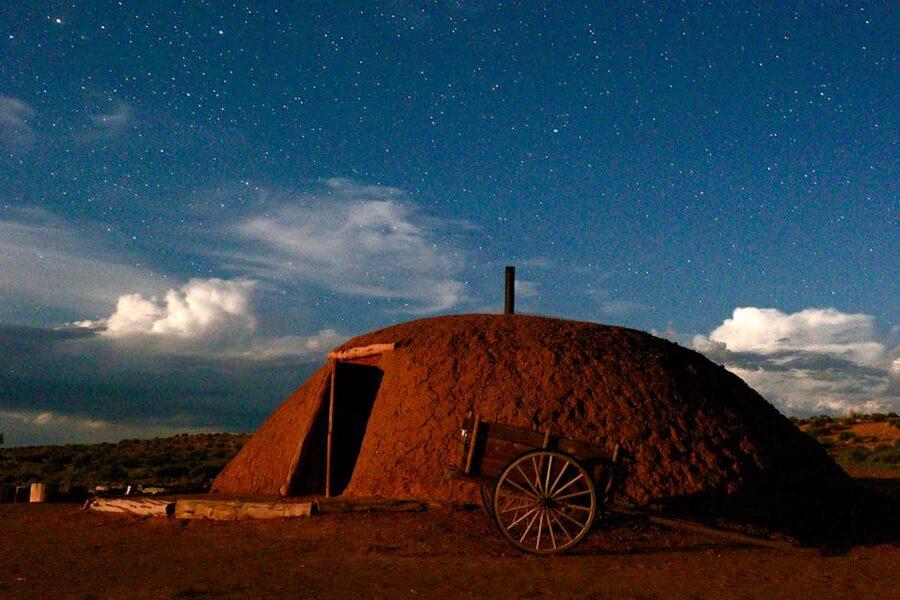
Some communities want visitors. Some do not. Some want a very specific kind of visitor and a very specific kind of visit. The travel industry tends to flatten this into “Indigenous tourism” as if there were one position. There is not.
The Hopi reservation in Arizona has restricted access to most of its ceremonies and many of its villages because outsider attention had been damaging the rituals themselves. The Sentinelese on North Sentinel Island have made it as clear as it is possible to make that they want no contact. The Navajo Nation runs a robust tourism programme and welcomes visitors to specific sites with specific rules. The Sami have spent decades pushing back on a particular kind of “ethnic tourism” while building their own. Each of these is a community making a sovereign choice about how it wants to relate to the rest of the world. Respect for that choice is the floor of mindful travel, not a bonus you tack on at the top.
What this means in practice is that you check before you go. The community’s own tourism arm, if it has one, will tell you what is on offer and what is closed. If the community has asked for fewer visitors, going anyway because you really want to see the canyon is not adventure, it is just rudeness. If you cannot find a clear yes from the community itself, that is a no. Operators selling access to communities that have not consented are a real category and the way to avoid them is to look for the community-side endorsement, not the operator’s marketing copy.
Sovereignty is the word the travel industry usually leaves out. Every Indigenous nation is exactly that, a nation, with its own decisions to make about who comes in and on what terms. You would not turn up at someone’s house and let yourself in because you felt the door was metaphorically open. The same applies at scale.
The Photography Rule, and Why It Is Not Just A Rule
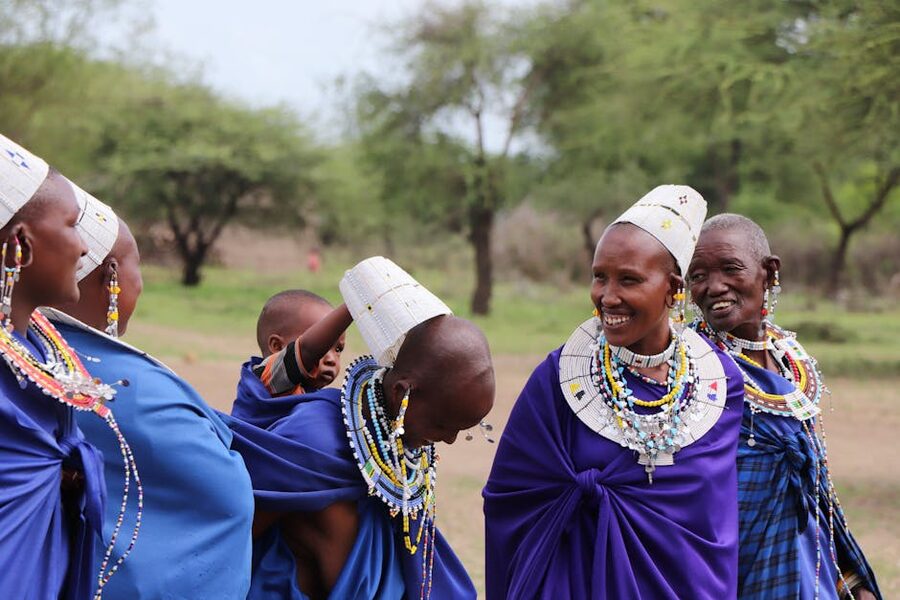
The shortest version is: ask before you take a picture, every time, and accept “no” without negotiation. The longer version is more interesting.
Cameras have a colonial history that does not go away just because the camera is now a phone. For a long stretch of the nineteenth and twentieth centuries, Indigenous people were photographed without consent, by anthropologists building “specimen” collections, by colonial administrators classifying populations, and later by tourists collecting “exotic” portraits to bring home. Sacred ceremonies were photographed and the images sold. Faces were pinned to museum cards. The photo is not neutral here. It is loaded with memory.
So when you raise a phone in an Indigenous community, even with the best intent, you are stepping into that history. Asking permission first is the smallest gesture that places you on the right side of it. Some communities will be happy to be photographed. Others do not allow photography of certain places, certain people, or certain ceremonies. A few do not allow photography at all. None of these are cues to push.
A few smaller habits I have picked up:
- Ask the actual person, not just the guide. The guide often answers on autopilot. The person you would like to photograph is the one who gets to decide.
- If you do take the photo, show it to the person before you put the phone away. They might want a copy. They almost certainly will not want it on the internet.
- Keep ceremonies off social media unless you have specific permission. The default is no, and a “well, the guide didn’t say no” is not the same as a yes.
- Treat children with extra care. A picture of a smiling kid in colourful clothing is the most stolen image in travel photography. Ask the parent, not the child.
- If a community has signs asking visitors not to photograph, those signs are the answer. They were not put up for fun.
I have come back from trips with fewer photos than I planned. That has been fine. I remember those trips better than the ones where I spent half my time framing.
Dress, Ceremony, and What “Etiquette” Actually Means
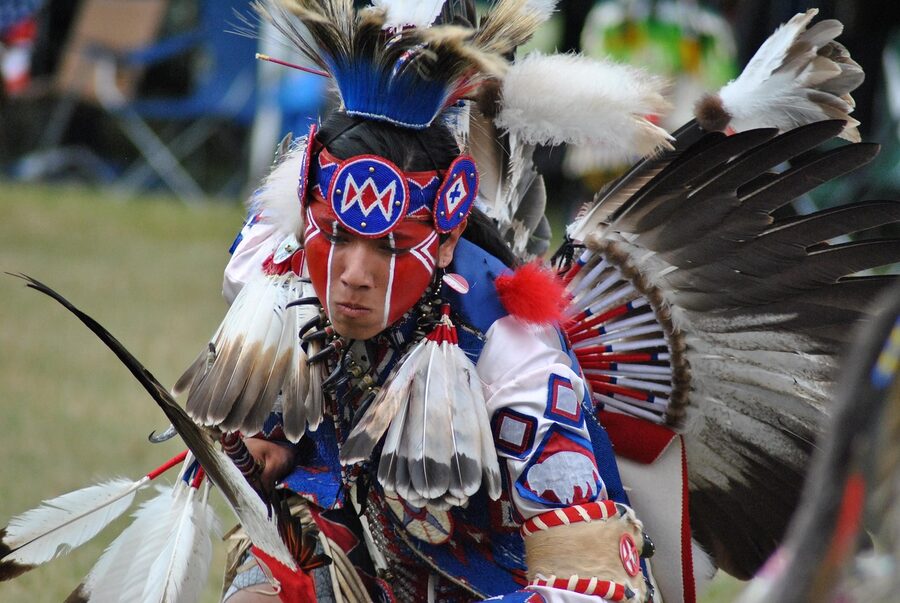
Dress codes vary enormously between communities, and the only useful general rule is to follow the host’s lead. Some communities have specific expectations for ceremony, like covered shoulders, removed shoes, no shorts, no headwear, head coverings for visitors. Others have none. The way to find out is to ask, in advance, what is expected, and then to do that.
The thing I would gently flag is the pull toward dressing up “in a way that honours the culture”. Buying a feathered headdress as a souvenir, or wearing a war bonnet to a music festival, or putting on a sari for the Instagram in a place where saris are sacred, falls on the wrong side of cultural exchange. The line is roughly: wearing a thing your hosts have given you or invited you to wear, on an occasion they have suggested it for, is exchange. Wearing a thing because it looks cool on you is not. Most of us have done the second one at some point. Doing it less is part of the work.
Ceremonies deserve their own paragraph. If you are invited to one, be there fully. Phones away, conversation low, follow whatever the host’s family is doing. Do not film. Do not narrate. If you are uncomfortable with something, you can quietly leave. What you cannot do is treat the ceremony as a curiosity to dip into. The community is not performing for you, they are practising something that matters to them, and you are the lucky one in the room.
TIP: When in doubt, mirror the elders. If they have covered their shoulders, cover yours. If they are sitting silently, sit silently. Watching how the people who actually live in the place behave is the most reliable etiquette manual you will ever find.
What to Ask Before You Book
I have already given you the ownership questions. Here is the rest of the pre-booking list, the one I now run through before paying for any experience that involves visiting an Indigenous community.
- What did the community ask the operator to include and exclude? A reputable operator can answer this in detail, including the things that are off-limits. A vague “we work closely with the community” is marketing.
- How many visitors per group, and how often? Small groups, infrequent visits, are how you avoid grinding the host community down. A bus a day is too many.
- What is the photography policy and is it explained to visitors before they arrive? If the policy is “ask each person”, the operator should be telling you that on the booking page, not when you turn up.
- Is there a chance of cancelling without penalty if a ceremony or community event coincides with your booking and the community has asked for privacy? The right answer is yes. The wrong answer is “we’ll find a workaround”. The workaround is usually at the community’s expense.
- Are the guides salaried, and does the company pay during the off-season? Year-round employment is the difference between a real local livelihood and a freelance gig that runs cold for half the year.
- Where can I read about the community in their own words? If the operator can point you to the community’s own website, social media, or published material, you are in good hands. If the only material about the community is the operator’s own brochure, you are reading a marketing document about real people.
None of these are gotcha questions. A genuinely Indigenous-led operator will be glad you asked, and a non-Indigenous operator will tell on themselves in the answers.
The Line Between Cultural Exchange and Cultural Extraction
Cultural exchange is two-way. It involves the host community sharing, on their terms, and the visitor receiving, with care, while bringing something of themselves into the conversation. Money is part of it, because hosting is work. Time is part of it, because rushing is part of the problem. Curiosity is part of it, because indifference is the bigger insult than asking the wrong question.
Cultural extraction looks similar from a distance. The same village, the same dance, the same souvenir stall. The difference is in the direction of the value flow. Extraction takes the imagery, the artefact, the experience, and lets the community fund the production with their own labour while the profits leave on a tour bus. The visitor ends up with the photo, the knowledge, the story they tell at dinner parties. The community ends up with a bit of cash and a worn-down version of their own culture.
You can usually feel which one you are in. Exchange feels reciprocal even when the conversation is in halting languages on both sides. Extraction feels uneasy in a particular way, the way a transaction feels when one side has all the leverage. Trust the unease. It is not your imagination.
One reliable test: if you finished the visit and the community had nothing left of you except the receipt for the entry fee, you were in extraction. If you left something behind, even small, like a real conversation, a connection that lasts beyond the trip, a follow-up purchase from the artisan you met, that was exchange. The companion piece to this article, the one on decolonising and diversifying your bookshelf, has more on the longer-term version of leaving something useful behind.
The History the Brochures Skip
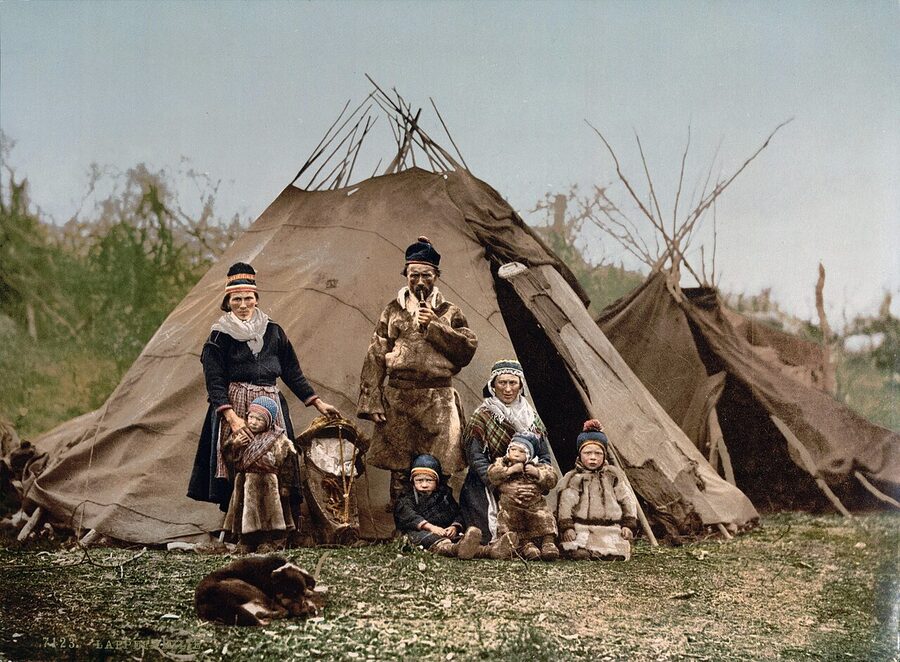
One of the reasons Indigenous tourism is fraught is because so much of the place you are visiting was taken at gunpoint within living memory. The travel industry tends not to mention this part. The brochure copy talks about ancient cultures and timeless traditions and beautiful landscapes, and it skips over the residential schools, the forced marches, the broken treaties, the ongoing land claims, the missing and murdered, the languages still being recovered from near-extinction. It is hard to sell a holiday on top of a crime scene, so the industry mostly does not try. It just leaves the crime scene out.
You do not have to be an academic to bring this back into your trip. A few small habits move you in the right direction:
- Look up the residential schools and forced relocations that affected the place you are visiting. In Canada and the United States, residential schools operated until the 1990s in some cases. Many survivors are still alive. The scale of what happened is closer than the brochures imply.
- Find out whose land you are on, and what treaty, if any, applies. The website native-land.ca is a useful starting point in Canada, the US, Australia, and a growing list of other countries. Knowing the answer changes how you walk around.
- Read at least one book by an Indigenous author from the place you are visiting before you go. Our companion guide on decolonising and diversifying your bookshelf is a starting point, but any Indigenous-authored book about the region will outperform any brochure.
- If a tour glosses over the colonial part, that is information about the tour. The good operators do not skip it. They are not gloomy about it, but they do not pretend it did not happen.
None of this is meant to put you off going. Indigenous-led tourism is one of the more meaningful forms of travel I have done. It is meant to put the visit in its real context, which is the context of a living community with a long memory and a present that is harder than the brochure suggests.
Language, Names, and How You Refer to People
Words carry a lot of weight in this part of travel. The right ones land as respect. The wrong ones land as a small, careless reminder of a long history. A few that come up often.
“Tribe” is fine in some contexts and not in others. Many Indigenous nations in North America prefer the word “nation” because it reflects what they are: sovereign peoples with their own governments. “Tribe” can sound diminishing. The community’s own materials are the best guide, and following their lead is always safe.
“Native” and “Indigenous” both work in most contexts. Specific is always better. “Hopi”, “Navajo”, “Sami”, “Maori”, “Quechua”, “Hadza” are not only more accurate, they are how the people actually refer to themselves. If you can name the specific community, do.
“Discovered” is a word to retire when talking about places that have been continuously inhabited for ten thousand years. So is “exotic”. So is “primitive”, obviously, but also softer cousins like “untouched”, which usually means “not yet built up to Western standards”. Our companion piece on mindful travel language goes into this in more depth, with a longer list and what to use instead.
Place names matter too. Where the community uses an Indigenous name for the place, using it is a small act of recognition. Uluru, not Ayers Rock. Denali, not Mount McKinley. Aotearoa, alongside New Zealand. The renaming has often been formal, and using the older settler name out of habit is the kind of small thing that adds up.
Money, and Where It Actually Goes
If the goal of mindful travel is to make sure the value you spend lands in the right pockets, it helps to understand where money actually goes in tourism. The short version is that on a typical packaged trip, the largest share goes to the airline, then the hotel chain, then the international operator, then the local agent, and only the smallest slice reaches the people who hosted you. The phrase the development economists use is “leakage”. On some Caribbean and African package tours, the leakage rate has been estimated at over seventy percent. Meaning: of every hundred dollars spent, less than thirty stays in the country.
You cannot fix that single-handedly, but you can shift it. A few habits that move money toward the host community:
- Pay direct where possible. Buy from the artisan in person, not the gift shop. Tip the guide in cash. Stay in the locally owned guesthouse, not the international chain. The companion piece on ethical souvenir shopping goes into this for the buying-things side.
- Choose the community-owned operator over the lookalike package, even when it costs slightly more, and especially when the lookalike is suspiciously cheaper. If a price seems too good to be true on a community-experience tour, ask why.
- Stay an extra night or two in the area. A single bed-night spread across more meals, more taxi rides, more visits, all goes back into the local economy.
- Book direct when you can. Booking platforms are convenient, but each layer takes its cut. Many community-run lodges and homestays accept email, WhatsApp, or a phone call.
- Continue the relationship after the trip. The artisan’s online shop, the community’s tourism Instagram, the cooperative’s mailing list. Steady drip-feed support outlasts a single visit. Our piece on what sustainable tourism actually looks like covers this in more detail.
What Mindful Travel Looks Like, In Practice
Strip everything in this article down and you get something simple. Visiting an Indigenous community well is not about following a checklist. It is about showing up as a guest, in a place with a long memory, with the right amount of curiosity and the right amount of humility, and letting the community set the terms.
It also means accepting that sometimes the most mindful thing you can do is not go. Not every place wants you. Not every itinerary needs an “Indigenous experience” tacked on for depth. The version of you that does not visit a community that did not invite you is doing better travel than the version that visits anyway and writes an essay about how moving it was.
And when you do go, and you go well, the trip pays you back in a way the packaged version never will. I still think about a quiet morning in a Hadza camp in northern Tanzania, when an older woman sat me down with a piece of root she was processing, showed me how to peel it, and then made very dry, very patient fun of how slow I was. There was no performance in any of it. I was just a slow stranger in someone’s morning, and I was lucky to be there.
That is what the brochures cannot sell, because it does not fit on a brochure. The trip you remember is the one where the community decided you were worth their time. You earn that by going in a way that respects the time you are being given.