
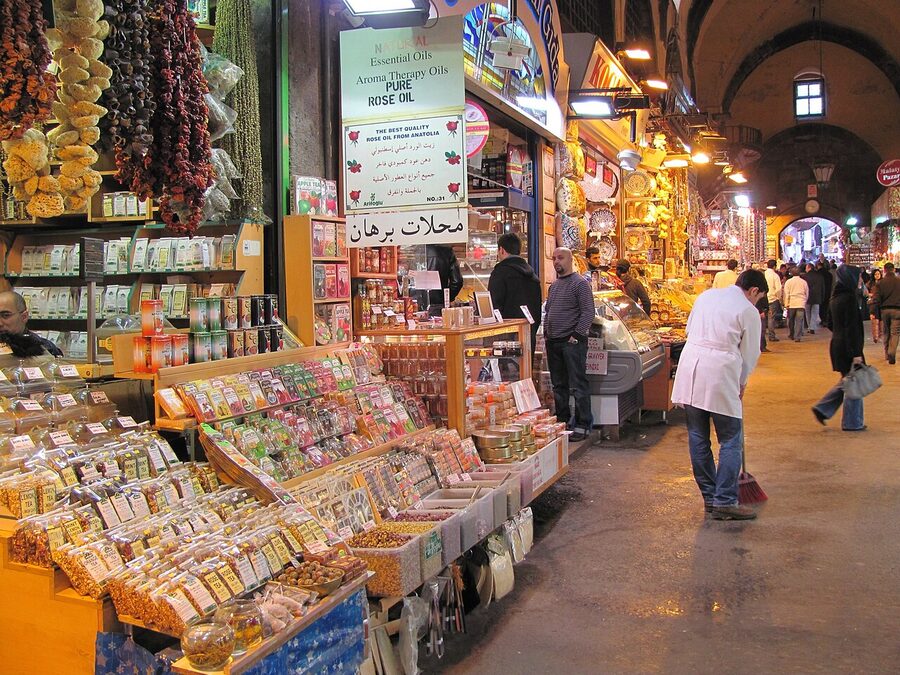
The first time I walked into Mehmet’s shop on a sloped lane off the Grand Bazaar in Istanbul, I almost didn’t go in. The window was crowded with the same hand-pressed copper trays I had seen in twelve other shops that morning, and I assumed the inside would be more of the same. It wasn’t. He was sitting on a stool at the back, hammering. A small bench with a single tray on it, two assistants who looked twelve and forty respectively, a kettle of tea, and walls hung with finished work that did not appear in any other window I had passed. I stayed for an hour. I bought one tray, I drank two glasses of tea, and I learned that the workshops behind the bazaar’s main aisles are where most of the actual craft happens. The displays out front are what tourists see. The making, the wages, the people who will still be doing this in twenty years, all of that lives a flight of stairs away.
That afternoon changed how I shop on every trip since. Souvenir shopping looks like the lightest, most disposable part of a holiday. It is in fact one of the most loaded transactions you make abroad, because the money goes somewhere specific and what you carry home has a story whether you asked for one or not. This is a guide to making that story a good one. It covers the questions to ask before you hand over cash, the things you should never buy, the wildlife laws nobody tells you about, the bargaining etiquette that most travel writing dodges, and a few souvenirs that aren’t objects at all.
In This Article
- Four questions to ask before you buy anything
- The red flags worth learning to spot
- CITES, in plain English
- Buying directly from artisans, and why it changes everything
- Fair-trade certifications worth learning
- The negotiation question, no flinching
- Shipping vs carrying it home
- Souvenirs you should never take, full stop
- The “experience as souvenir” reframe
- What I actually do, in order
Four questions to ask before you buy anything
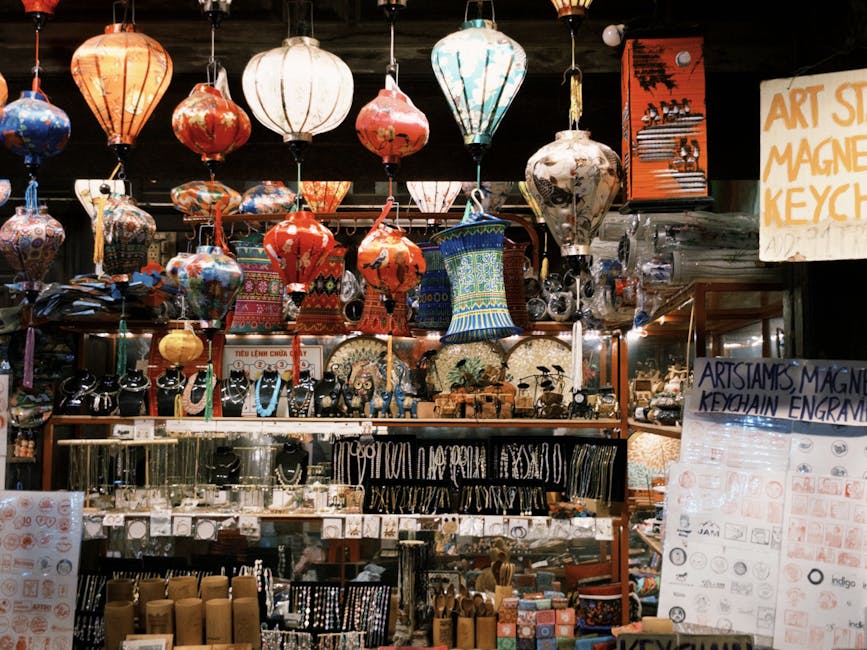
I keep a short mental checklist for any souvenir bigger than a postcard. Four questions. They take about thirty seconds to run through and they have saved me from a lot of regrettable purchases.
Who actually made this? Not the shop, not the brand, but the person whose hands shaped the object. If the seller can name them, even loosely (“my cousin in the next village”, “the women’s cooperative two streets over”), the answer is usually believable. If you get a vague gesture or a quick subject change, that is a tell.
Where was it made? A made-in label is sometimes hiding in a corner of the tag, sometimes stamped on the underside, sometimes nowhere. The trick the experts use, and one Susannah Rigg quoted in Apartment Therapy is worth pinning to the inside of your skull, is “never buy anything made in China unless you actually are in China.” The same logic works in Mexico (a lot of the brightly painted “Saltillo” blankets are imported), Greece (a lot of the marble worry beads are not), and Bali (a lot of what looks Balinese was shipped in from elsewhere in Indonesia or further). If three other shops on the same street have the exact same item, treat it as a red flag.
Are the people who made it being paid fairly? You can’t always know, but you can ask. In a cooperative or social enterprise, the staff usually know what cut goes back to the maker because that is the point of the place. In a market shop, you can ask the vendor directly. “What does the artisan get from this sale?” is a question any straightforward seller has an answer for, even if the answer is uncomfortable.
Is this even theirs to sell? This one matters more in some places than others. Indigenous designs, sacred objects, antiques from archaeological sites, items that look religious or ceremonial. If a community has rules about who can make or sell something, those rules don’t dissolve at the shop door. When in doubt, ask. When still in doubt, don’t buy.
None of these questions need to be asked aggressively. A friendly tone gets you better answers than a cross-examination. And if you’re already clear on why you want a sustainable approach to your trip, the principles in our sustainable tourism overview apply most concretely at the cash register, where they meet a real human and a real price.
The red flags worth learning to spot
Some things will save you from a bad purchase, even if you only learn the shape of them once.
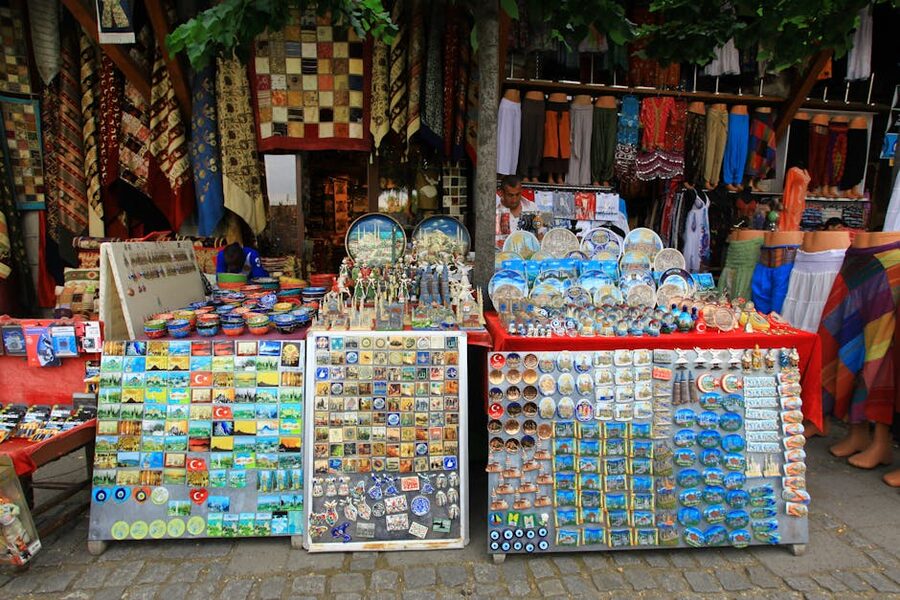
The same thing in every shop. If forty stalls in the bazaar have the exact same painted ceramic tile, that tile was almost certainly mass-produced in a factory and trucked in. Real handcraft varies. Glazes are slightly different shades, edges aren’t perfectly aligned, the brushwork has small inconsistencies. A wall of identical anything is a wholesale catalogue, not a craft.
Airports and cruise ports. I love an airport, but their souvenir aisles are the most sanitised, most marked-up version of any country’s craft tradition. Cruise terminals are worse. The stuff is selected for portability and speed of sale, not for any meaningful link to the place. Walk ten minutes outside the gate of either, in almost any country, and you will find better things at lower prices made closer to the source.
Anything with an animal in it. Coral, ivory, sea turtle products, certain feathers, tortoise shell. I’ll get to the wildlife law in a minute, but the short version is that buying these supports the killing of species that are already in trouble. Tortoise shell hair clips are still sold in some markets. Tortoise shell comes from the hawksbill turtle, which is critically endangered. If a vendor tells you it’s “fake” or “old stock”, they may be lying or they may be wrong, and either way customs in your home country isn’t going to take their word for it.
“Antique” anything from an archaeological site. Pottery shards, “old” coins, fragments of relief carving. These are either fakes (most likely) or genuine looted artefacts (much rarer, much worse). Both are illegal to export in most countries with notable archaeological heritage. A piece of the Berlin Wall is the famous example, but the same principle applies to a chip from a Cambodian temple or a stone from Petra.
Vague provenance with a high price tag. If the seller can’t tell you anything specific about who made it, when, and from what materials, the price should reflect that uncertainty. A $400 “antique kilim” from a vendor who shrugs when you ask where it came from is a $40 new rug with a story attached.
CITES, in plain English

CITES is the treaty that controls international trade in wildlife. The full name is the Convention on International Trade in Endangered Species of Wild Fauna and Flora, and 184 countries have signed it. It works on a three-tier list. Appendix I species can’t be traded commercially at all. Appendix II species need permits. Appendix III is for species a single country has flagged for tighter control.
What this means for you, walking through a market: a long list of common souvenirs are illegal to buy or to take across borders, even if the seller is happy to wrap them up. The big ones to know are:
- Ivory from any source. Elephants, walrus, hippopotamus. Some “old” ivory is technically legal in narrow circumstances, but the rules are strict and customs officers do not split hairs at the border.
- Sea turtle products. Shells, hair clips, sunglasses frames, jewellery. All illegal to import to most countries.
- Coral. Both red coral and many tropical species. A surprising amount of the “coral” jewellery on Mediterranean and Caribbean stalls is real coral and a problem.
- Reptile leather and skins. Crocodile, snake, monitor lizard. Some are CITES-controlled, some aren’t, but if you can’t tell from the tag, treat it as restricted.
- Big-cat parts. Tiger bone, leopard fur, fang or claw jewellery. Always illegal.
- Feathers. A lot of “decorative feather” items use protected species. Macaw, certain parrots, birds of paradise.
- Some woods. Rosewood, certain ebony, agarwood. The instrument-maker’s woods. Many are now CITES-listed and can be seized at the border.
You can check the full Appendix I list on the official CITES site, but the practical rule is simpler: if it came from an animal or a slow-growing tree, assume it is restricted, and if you can’t get clear documentation from the seller, don’t buy it. Customs in your home country is the second filter, and they will confiscate things and sometimes fine you. The vendor isn’t the one taking the risk. You are.
Buying directly from artisans, and why it changes everything
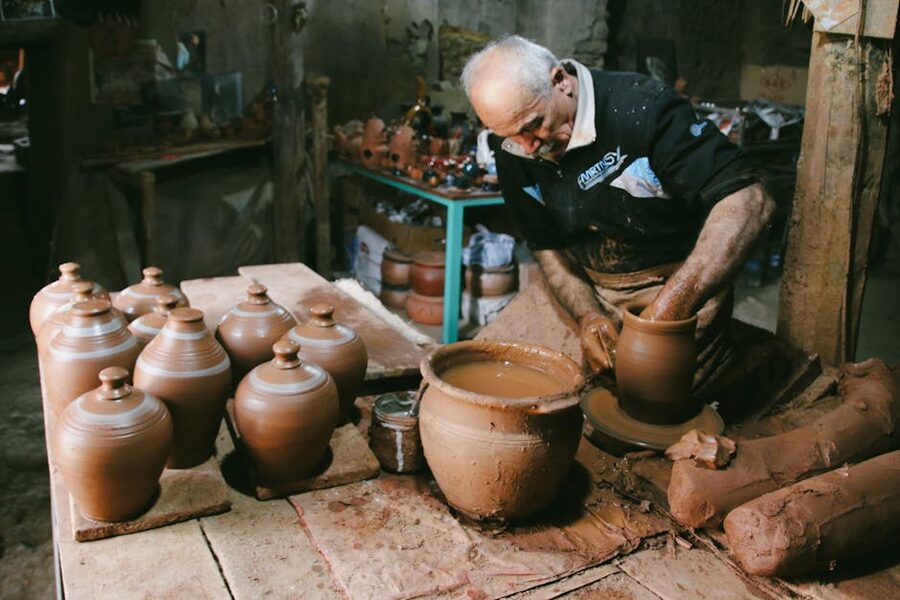
The shorter the chain between the maker and your wallet, the more of what you spend goes to the person whose work you wanted. This is the single most important thing to internalise about ethical souvenir shopping. Everything else is a refinement.
What “directly from the artisan” looks like in practice:
- Visiting a workshop, watching the work happening, choosing a piece off the bench. This is the gold standard.
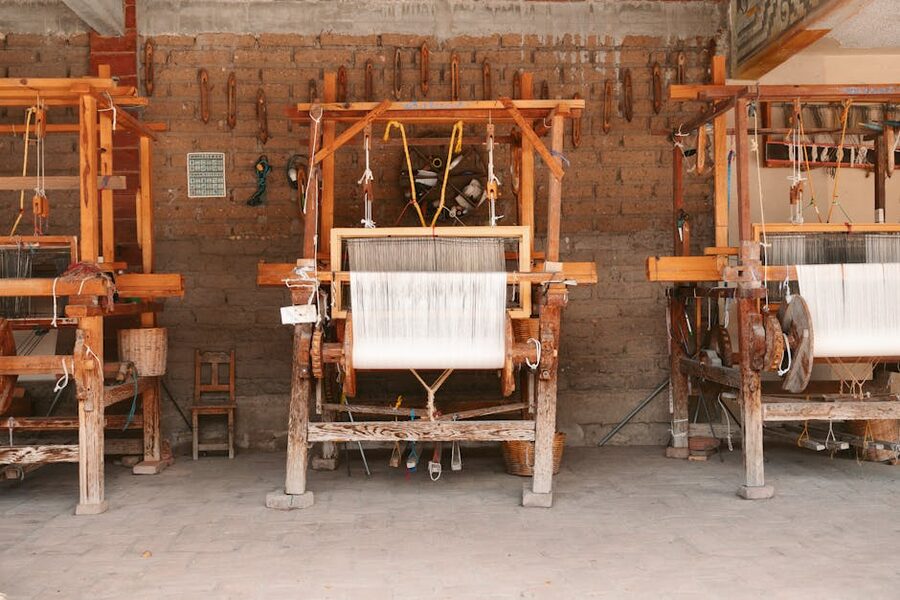
- Buying at a craft market where makers sell their own work. In Oaxaca, in Chiang Mai’s Sunday Walking Street, in Sarajevo’s Old Bazaar, you can usually tell because the seller is mid-stitch or mid-paint when you arrive.
- Buying at a cooperative or social enterprise that publishes its artisan list and the cut they receive. Ten Thousand Villages, the Fair Trade Federation member network, and many country-specific cooperatives operate on this model.
- Buying at a shop where the owner can name the maker and explain the technique. Not perfect, but a step up from a tourist-strip stall.
What it doesn’t look like:
- Airport “local craft” boutiques.
- Cruise terminal stalls.
- Hotel gift shops in chain hotels.
- Highway “artisan villages” where buses stop on a fixed route. Some of these are real. Many are kickback arrangements between drivers and shops.
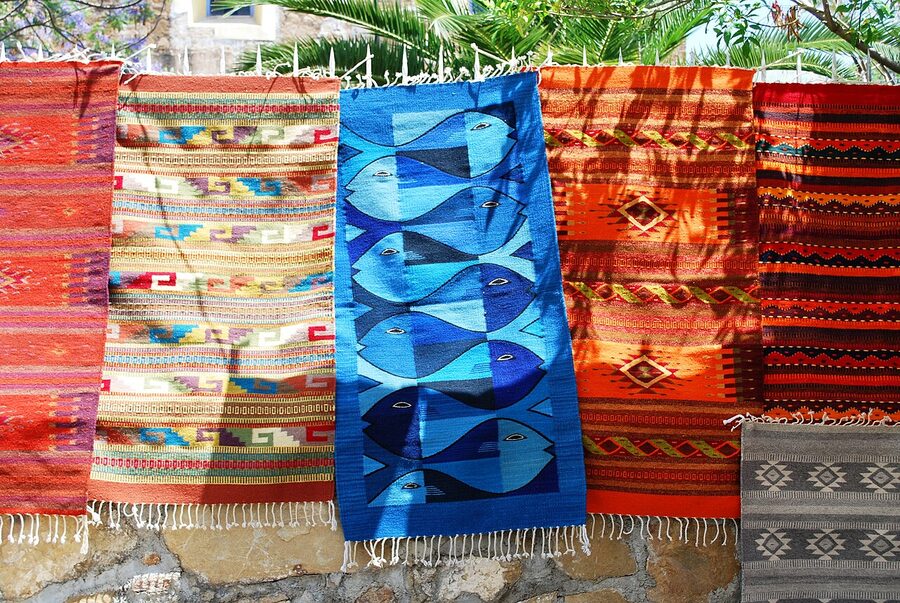
The trade-off, and it is real, is that buying directly takes longer. You will spend more time and probably more money for fewer objects. That is the deal. Bringing home one beautifully thrown bowl from a potter you actually met is worth more than a suitcase of factory tat. The Pinatravels piece on responsible souvenir shopping makes this same point well, and the example they give of meeting a Sicilian ceramic artist near Palermo and using that spoon rest for years afterwards is the experience you are actually paying for.
Fair-trade certifications worth learning
Fair trade is a fuzzy phrase that gets used as marketing decoration on a lot of things that don’t deserve it. The actual certifications are clearer. Four are worth recognising on a shop tag or a price label.
Fairtrade International (FLO). The label with the blue and green figure on the package. Mostly seen on food and ingredient products: coffee, cocoa, sugar, tea, certain spices. Sets minimum prices, requires social-premium payments, and audits supply chains. The most rigorous of the food-side schemes.
World Fair Trade Organization (WFTO). A membership body for fair-trade enterprises rather than a product certification. The “Guaranteed Fair Trade” logo on a craft item or a shop signals that the business itself has been audited against ten principles, including artisan wages, working conditions, and supply chain transparency. This is the one most relevant to handicraft souvenirs.
Fair Trade Federation. A North American membership group with similar principles. If a US or Canadian importer is a member, that is a meaningful signal.
GOTS (Global Organic Textile Standard). Specific to textiles. Covers organic fibre and the working conditions of the people who turned it into a finished product. Worth looking for on cotton, wool, and silk goods if you want both organic and fair-labour assurances in one mark.
FSC certification on wooden products is the parallel for forestry. Not a labour standard exactly, but it tells you the wood is from a responsibly managed source, which matters for things like carved boxes, instruments, and household goods.
None of these schemes is perfect. Plenty of small artisan operations do everything right and have no certification because the audit cost is prohibitive. The certifications are useful when you can’t visit the workshop, not as a substitute for the questions in the first section.
The negotiation question, no flinching
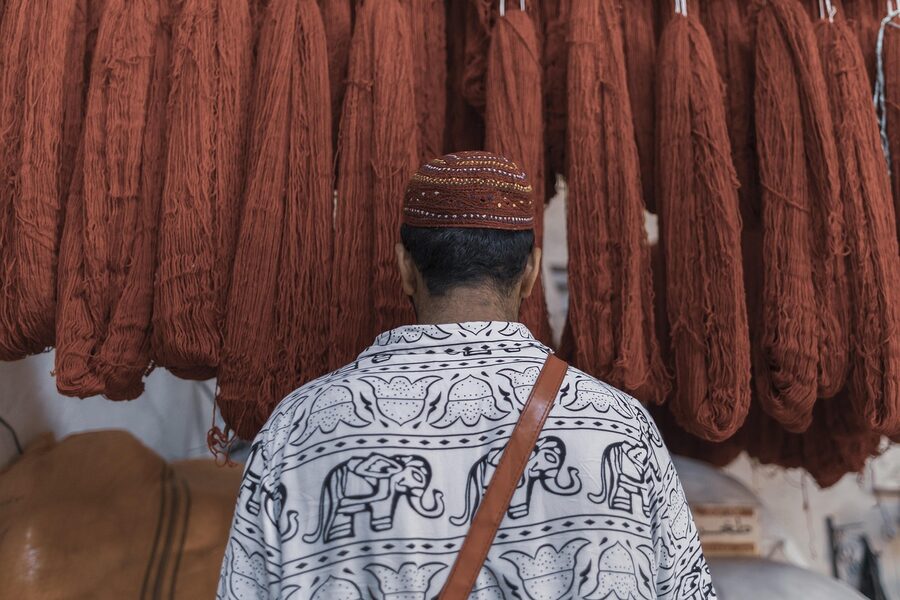
This is the bit most travel writing skips around, so let me say it plainly. In a lot of places where bargaining is the cultural norm, you, a foreign visitor, are also a person earning many times what the seller earns, paying for an object that took them hours to make, and trying to talk the price down. The discomfort you may feel about that is correct. It is also not a reason to refuse to bargain at all.
Refusing to bargain in places where bargaining is expected does two things, both bad. It marks you as a tourist who can be quoted three or four times the going rate without resistance, which raises the baseline price the next traveller pays. And it can read as patronising, as if you have decided the seller doesn’t deserve a real conversation about the value of their work.
The line I try to walk:
- Spend ten minutes in the market before you buy anything, just listening. You’ll get a feel for the actual range of prices.
- Start the bargaining at maybe sixty percent of the asking price, expecting to land at seventy-five or eighty.
- If the seller’s last offer is twenty percent above what you wanted to pay and you have the money, just pay it. The difference matters more to them than to you.
- Don’t grind for the absolute lowest possible price. The goal is a fair number, not a “win”.
- Smile. Make it a conversation. Walking away is a legitimate move, but stomping off in irritation isn’t.
The Pinatravels piece described what locals call a “tourist tax”, the small premium foreign buyers pay over what a local would, and made the case that this is fine. I agree. The seller has put in the time to learn English or French or whatever language they’re negotiating in. They’ve worked the stall. A few extra dollars is the cost of that, and your money goes further in their pocket than in yours.
One more thing on this. In some cultures, bargaining is not the norm. In most of Japan, fixed prices are the rule and trying to haggle is rude. In parts of Mexico, especially in artisan cooperatives, prices are set by the maker and bargaining devalues the work. Read the room before you start.
Shipping vs carrying it home
You walked into the workshop, you found the rug, you negotiated to a fair price, and now it weighs eight kilograms and your carry-on is already at the airline limit. What now?
Three options, in roughly the order I would consider them.
Carry it as a checked bag. The cheapest if you have the allowance. Soft items (textiles, clothes, small ceramics wrapped in clothes) compress fine. The risk is breakage on hard pieces and the loss of the item if the bag goes missing.
Ship through the shop. Most established workshops in popular tourist destinations have a shipping arrangement, often via DHL or a regional courier. The price is usually reasonable, the packing is professional because they do it daily, and the documentation is correct. The catch is delivery time (anywhere from a week to a month) and customs duties at your end, which the shop usually can’t predict accurately. Get a written estimate of the all-in cost, including expected duties, and compare.
Use a local shipping agent independently. If the shop doesn’t ship and you can’t carry it, find a third-party shipper. In most major cities there is one near the post office or in the bazaar district that handles tourist exports. They will pack for you, complete the customs paperwork, and quote a price. The ones I have used in Istanbul, Bangkok, and Mexico City all delivered within their window.
Some practical points. Insurance is worth it for anything fragile or expensive. Take photos of the item before it gets packed, in case you need to make a claim. Keep your receipt and any provenance documents (these matter at home for both insurance and customs). And budget for the shipping at the time of purchase, not as an afterthought, because a $200 rug plus $180 shipping plus $50 duty at home is a different calculation than a $200 rug.
One more option that comes up sometimes: buying things with the intention of giving them as gifts and shipping them directly to the recipient. This works for paperwork-light items like textiles or food. It does not work for anything with a CITES question mark or anything fragile.
Souvenirs you should never take, full stop
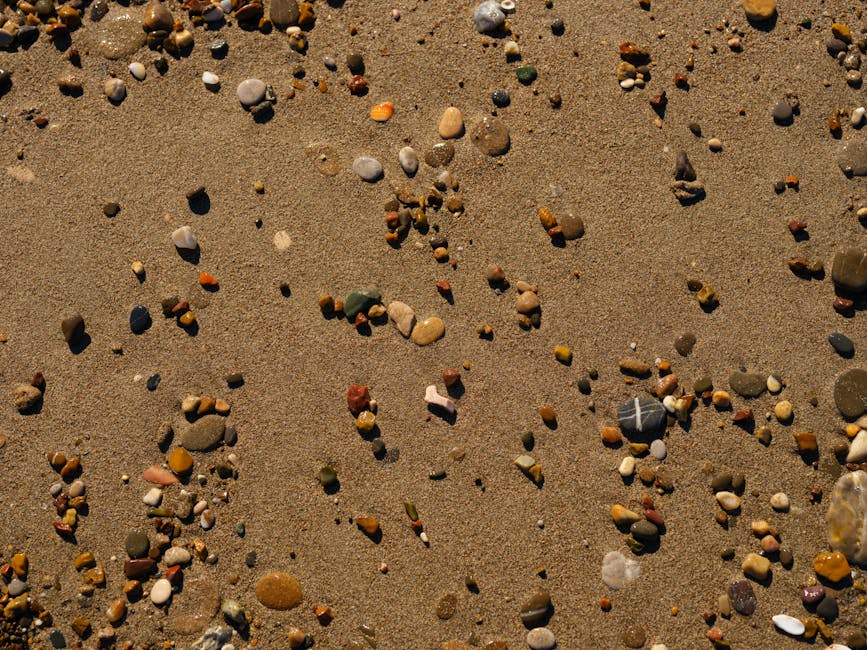
Some things are technically possible to remove from a place but you shouldn’t. The damage from a single tourist is small. Multiplied by the millions of people who pass through these places each year, the damage is enormous. The list:
Sand from beaches. The most popular illustration is Sardinia, where taking sand from the beach can land you a fine of up to 3,000 euros, but the principle applies almost everywhere. Beaches are slow-replacing systems and the sand-tourists-take problem at famous beaches (Pink Beach on Komodo, Barbara Beach in Curaçao, Whitehaven on the Whitsundays) is real and measurable. A jar of sand on your shelf becomes ten thousand jars and a beach in measurable retreat.
Rocks and pebbles from national parks. Same logic, plus a legal layer. In US national parks, removing any natural feature is a federal offence. In most European and Australian parks, the rules are similar. Even in places where it is technically legal, multiplied across visitors it becomes a problem. You don’t need a piece of the Grand Canyon. The Grand Canyon needs to stay where it is.
Sea glass and shells. Sea glass feels like litter, and partly it is, but it also feeds back into the beach ecosystem as sediment for shoreline organisms. Shells are habitat for hermit crabs, small fish, and the things those animals feed. The “I only took a few” defence breaks down at scale. The general rule on coastlines: leave what you find, photograph what you want to remember.
Coral, even if it looks dead. Already covered under CITES, but worth saying twice. Beached coral fragments are still part of the reef ecosystem. They are not yours to take.
Anything from an archaeological site. Pottery shards on the ground at Petra, mosaic tesserae near a Roman ruin, a flake of plaster from a Pompeii wall. These are the things archaeologists are still trying to catalogue, and they belong to the country and to the future of the site, not to your shelf.
Religious or sacred objects taken from where they live. A prayer flag from a Tibetan stupa, a small statue from a temple altar, a piece of a votive offering. If a thing is being used for worship, it isn’t a souvenir. Also worth thinking about: what you bring versus what you buy. Travelling with your own reusables means fewer of these awkward moments where you “had to” buy something disposable on the road.
The reframe that makes this list less restrictive than it sounds: there is almost always a legal, ethical alternative that captures the same memory. Buy a hand-painted pebble from a local artist instead of taking a real one from the beach. Buy a piece of pottery made by a current artisan in the style of the historical site, instead of taking the ancient one. The memory of the place is the actual goal. You can have that without subtracting from the place itself.
The “experience as souvenir” reframe
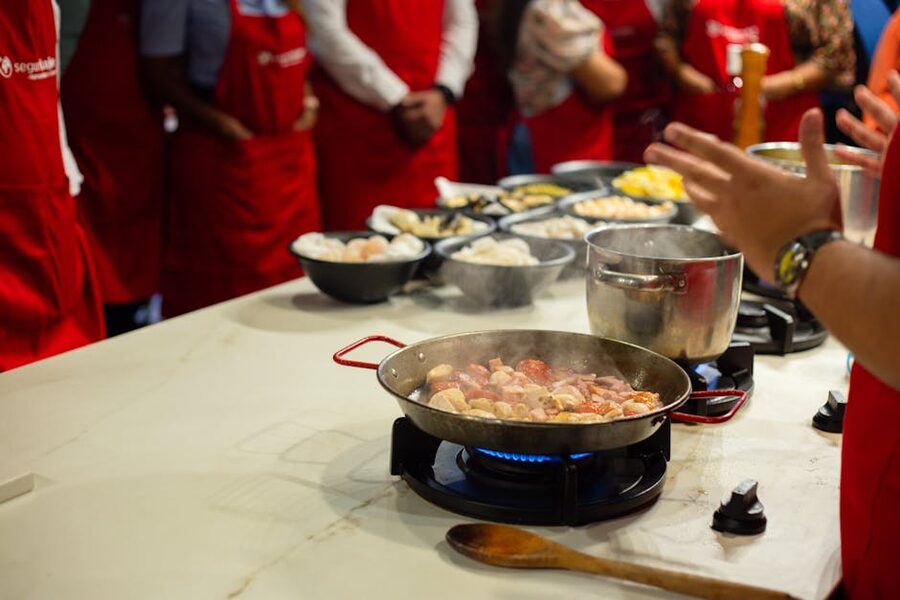
The best souvenir I have from any of my trips is not an object. It’s the way I make momos at home now, after a four-hour class in Kathmandu where the woman teaching me kept pushing my fingers into the right pleating motion until I got it. The momos are imperfect every time. They are also better than any I’ve bought back home, and every time I make them I’m back in that small kitchen with the gas burner that wouldn’t stay lit.
An experience as a souvenir works because it lives in you, not on a shelf. It also routes a much higher percentage of your money to a local person doing skilled work. A workshop class with a textile maker, a half-day cooking lesson with someone who runs a guesthouse on the side, a private gallery tour with the artist, a music lesson with the bar player who caught your attention the night before, a guided plant walk with a forager. These are the things you actually remember in detail two years later.
Some practical suggestions to take home from an experience instead of an object:
- The recipe, written in your own notes after a cooking class. Buy the spice, the rice, the noodle from a local supplier so you have the right ingredients to recreate it.
- A skill. A weaving afternoon, a calligraphy workshop, an introductory ceramics throw. You will not become an expert. You will have a story and a small piece of new competence.
- Photographs you actually look at. Print one. Frame it. The feeling of looking up from a desk and seeing a real thing from a real place beats scrolling past it in a phone gallery.
- A donation receipt. Sometimes the most meaningful thing to do at a cooperative is to give money without taking an object. JoAnna Haugen of Rooted Storytelling has made this point well: if nothing in the shop suits, the choice between buying something you’ll discard and donating to the cooperative is a real choice, and donating is often the better one.
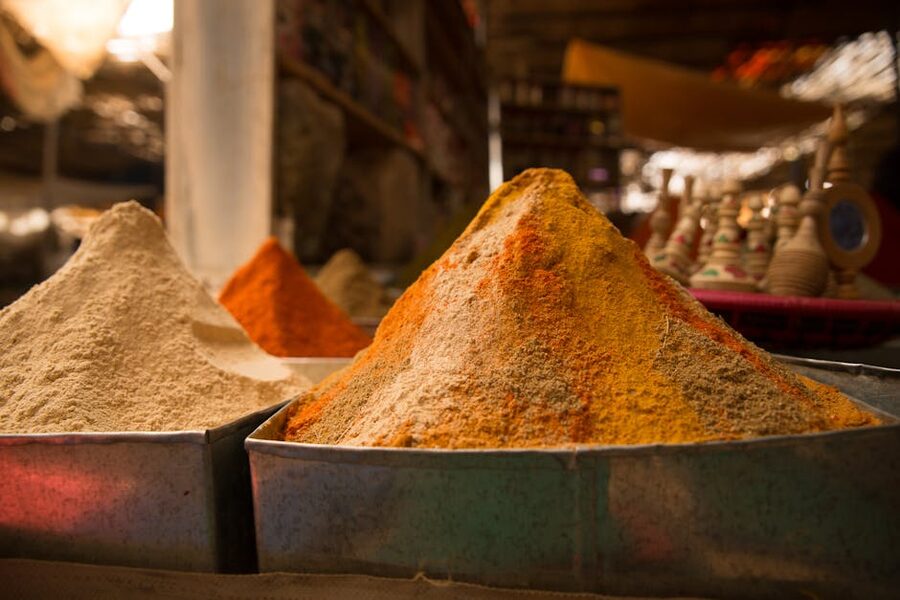
The food-and-spice route is the easiest physical-souvenir version of an experience. Coffee from a farm you visited, olive oil from a press you toured, a jar of preserved lemons from a Marrakech grocer. The thing you take home gets used and then is gone, which fits the temporary nature of a trip better than a tchotchke that sits on a windowsill for fifteen years. The same logic that drives choosing low-impact travel in general shows up here in miniature: less stuff, fewer transactions, more of what you spend going to the people doing the work.
What I actually do, in order
So you’re standing at the edge of a market in a country you don’t know well. Here, more or less, is what I run through:
- Walk the market once without buying. Note prices. Note what is everywhere (probably mass-produced) and what is unusual (probably local).
- Look for the workshops behind or alongside the visible stalls. Step into one or two.
- Pick the thing you actually want. Not five things, one. Maybe two if you’re shopping for someone else.
- Run the four questions: who, where, paid fairly, theirs to sell.
- If anything in the answers gives you a CITES or sacred-object pause, walk away. No exceptions.
- Negotiate plainly, smile, land somewhere fair, pay.
- Sort out shipping or carry-on packing on the spot, not the morning of your flight.
- Keep the receipt. Take a photo of the maker if they’re happy to be photographed. Write down their name.
That’s it. The whole thing takes about an hour for a meaningful purchase, less for a small one. If you can only do one thing differently than the cruise-port aisle approach, do the first item: walk the market once without buying. The thirty minutes of just looking changes everything that follows.
Souvenirs are small things. The question of how to buy them well is a small question. But every small question of this kind is also a question about what your trip is actually doing to the place you visited. When the answer points back to a person you spoke to, in a workshop you can picture, holding a thing you watched them make, the trip has a different weight on the way home. That is what you are paying for. Not the object.




,_islas_Ad_Dimaniyat,_Om%C3%A1n,_2024-08-13,_DD_69.jpg)
