You typed it because something happened. A storm flattened a coastline you were going to in March. A war started two weeks ago in a country your friend had a flight booked to. A fire you watched on your phone for three days last week burned through the town a colleague was in last summer. And now you’re here, searching for the right thing to do, and the search bar isn’t really the place that knows the answer.
I don’t either, not exactly. Nobody does. The right thing changes with the crisis, the place, and the people who live there, and any article promising you a checklist is selling you something. What I can offer is a way of thinking about it that has worked for me across about two decades of trips, including some I should have skipped and a couple I almost cancelled and shouldn’t have.
So this is a framework, not a prescription. A way to ask better questions when the news breaks and the trip is six weeks out and the relatives are emailing. The principles below try to hold up across pandemics, wars, hurricanes, earthquakes, wildfires, political unrest, economic collapse, and the climate-driven things we are now going to be living with more often than less.
In This Article
- Crisis takes many shapes, and so does the answer
- The first question: am I being asked to come, or asked to stay away?
- How to know when going helps
- How to know when not to go
- Where the money actually goes (and why this matters more during a crisis)
- Supporting hosts who lost their season
- Choosing operators that survived without cutting corners
- The trauma tourism question
- The climate-disaster-as-attraction problem
- How to verify need from a distance
- A short sample script for asking the right questions
- What I’d do, if it were me
Crisis takes many shapes, and so does the answer
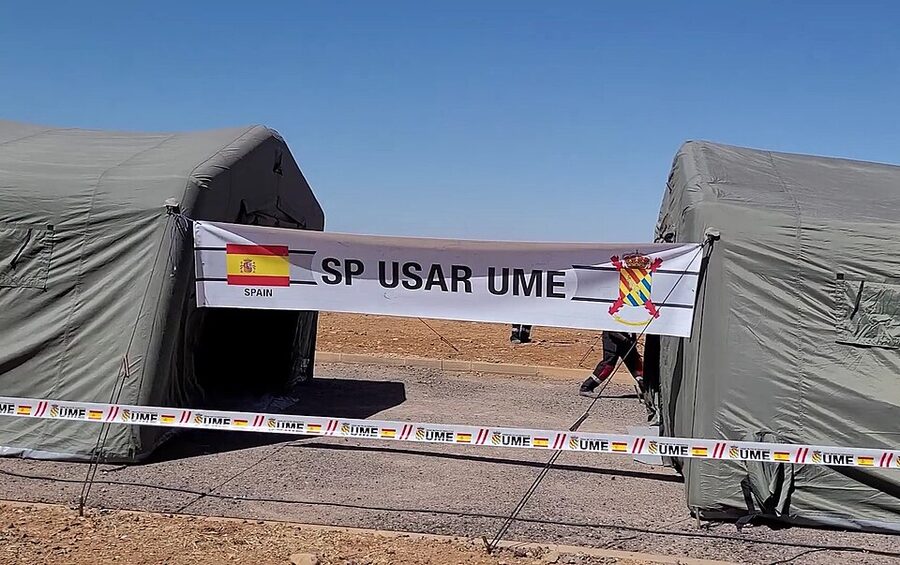
It is tempting to write this article with one event in mind. The 2020 pandemic is the obvious reference point for anyone who travelled through it, and a lot of what got published in 2020 and 2021 is still the top of the search results. But pandemics, hurricanes, earthquakes, fires, wars, coups, and economic shocks all break tourism differently, and a one-size answer fails most of them.
The 2023 Morocco earthquake hit the High Atlas hard but left Marrakech largely intact within days, with tour operators running scheduled trips after small mountain-route adjustments. By contrast, after the 2015 Nepal earthquake, trekking in the Annapurna region resumed quickly, but parts of Kathmandu’s heritage sites stayed under rubble for years while bureaucracy worked through who would rebuild what. Both were earthquakes with thousands killed, and yet the right response for a traveller was different in each case. The 2018 Nicaraguan unrest was concentrated in cities while surf coasts a few hours away saw their season wiped out by association. The mental model that holds up: every crisis is local. Within every affected destination, you’ll find pockets that are devastated and pockets that are essentially fine. Your job is to figure out where the place you’d be sitting in falls on that map.
The first question: am I being asked to come, or asked to stay away?
The single most useful thing I’ve learned is that destinations actually tell you which one they want, if you listen to the right voices. They don’t always speak with one voice, but the patterns are clear if you look.
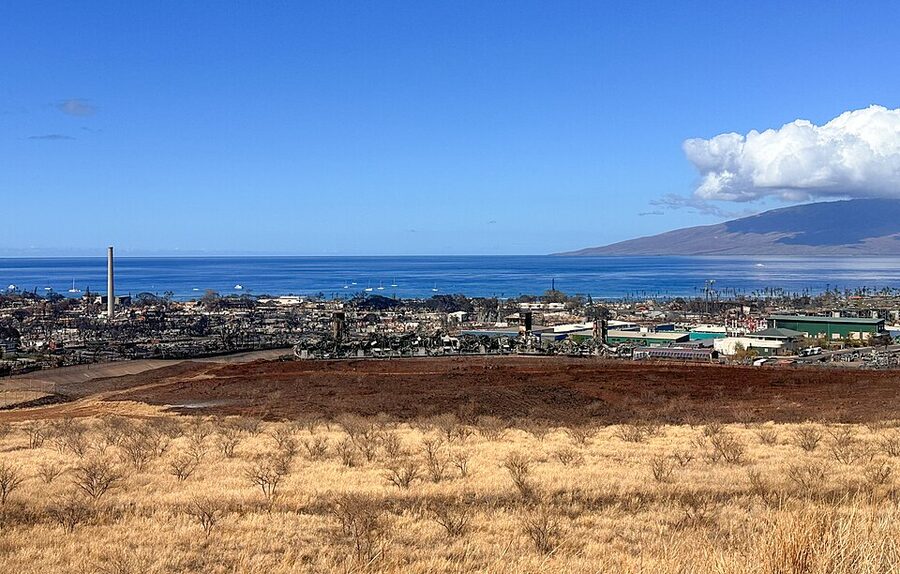
After the 2023 Maui wildfires, the governor of Hawaii initially asked tourists to leave Lāhainā and to hold off on travel to the island for about a week. That was a stay-away signal, plainly communicated, while emergency response was running. About a week later, after the Hawaii Tourism Authority ran what their public affairs officer Ilihia Gionson called a rapid needs assessment, the picture shifted. More than a third of disaster survivors named financial stability or housing as their most pressing need. Sixty thousand jobs on the island were powered by visitor spending. So the messaging shifted to come back, but stay out of the burned neighbourhoods, and spend with locals. The destination went from stay away to come and spend in roughly seven days.
Compare that to Puerto Rico after Hurricane Maria in 2017. Officials welcomed visitors back about three months after the storm, while a lot of the island was still without power and running water. Mikey Cordero, an activist on the ground, told the BBC later that the early return left a bad taste in locals’ mouths. The bookings came back to the island, but the money didn’t trickle out of the all-inclusive resorts to the people in the dark with no taps running. The decision to invite tourists was a tourism-board decision. It wasn’t necessarily what the people most affected would have asked for.
So the first habit I’d suggest is to listen for who is doing the inviting. A tourism minister announcing that the island is open for the peak season, when 72 percent of residents are still without electricity, is one signal. The owner of a small guesthouse on the unaffected side of the island writing on Instagram that her bookings are gone and she’d love anyone to come, is another. A local journalist filing a piece on which neighbourhoods are off-limits is a third. The first signal is a campaign. The second and third are usually closer to the truth.
How to know when going helps
There are situations where going helps a lot. Justin Francis, who founded Responsible Travel and was on the ground in Phuket not long after the 2004 tsunami, came back saying that locals were describing the absence of tourists as an “economic tsunami” on top of the literal one. Their suffering was being compounded by the loss of income from people not coming. That phrase has stuck with me, because it’s a useful warning that staying away can also be a choice with a cost.
The cleaner version of the case: when the crisis is over, when the place is safe, when basic infrastructure is back, when locals are saying come, your absence stops being respectful and starts being expensive for the people who’d hoped you would. Mexico City after the September 2017 earthquake is a good example. Three days after the quake, Pilar Carrasco, a tour guide there, was running tours again at 90 percent of normal capacity, with damaged buildings clearly marked off and most attractions open. Tourism is around 16 percent of Mexico’s GDP and supports more than eight million jobs, and the people running those small tour companies were openly asking for tourists not to write the city off.
Or take the 2019-20 Australian bushfires. The blazes were genuinely devastating, but they affected an area roughly the size of Wisconsin in a country roughly the size of the contiguous United States. Most of Australia was fine. International tourists cancelled at scale, and the operators who lost their season weren’t anywhere near the fires. That’s the perception gap to watch out for: news coverage tends to lean on the most dramatic images, and the dramatic images get attached, by default, to the entire country.
So when going helps, the rough markers are: the active emergency phase is over, locals on the ground are publicly inviting tourists, infrastructure for visitors works (water, power, food supply, transport), and there are unaffected regions where your spend will land. Turkey after the February 2023 earthquakes is the textbook case. A huge country with a $46 billion tourism economy, where the southeast was devastated and Istanbul, Bodrum and Cappadocia were essentially untouched, and where staying away meant people in the unaffected regions lost a season for nothing.
How to know when not to go
And then there are the times when staying away is the right call. The crude version: if your presence will compete with the emergency response for resources, if locals are asking visitors to wait, if the infrastructure to keep you safe and fed isn’t there, or if the region is genuinely dangerous, the answer is wait.
The first 24 to 72 hours after a major event almost always falls into this bucket. Hospitals are stretched. Roads are blocked. Hotel staff are checking on their own families. Tour guides have evacuated. Even the most resilient destination needs a beat before it can host visitors well, and a tourist arriving in that window is, with the best will in the world, likely to be a hindrance. Gail Palethorpe puts it plainly in The Wise Traveller: immediately after a disaster, tourists are only a hindrance to clean-up, unless you happen to be a doctor or a structural engineer with a plan to volunteer in your field.
The other signal worth listening for is when people on the ground are saying “not yet”. This is different from a government travel advisory, which tends to be conservative and slow to update. After the 2011 Egyptian protests, the U.S. State Department had Egypt on a level-four advisory while life in Cairo had largely returned to normal. Shannon Stowell, then heading the Adventure Travel Trade Association, told me later (well, told the writer at Outside, but the story stuck) that he toured Tahrir Square the same day CNN was running images of tanks years out of date. The advisory was eventually downgraded after he asked the U.S. ambassador to push for a review. It changed within a month.
The takeaway from that is not “ignore travel advisories”. It’s that advisories are one input, not the input. Pair them with what you can hear from people who are actually there.
Where the money actually goes (and why this matters more during a crisis)
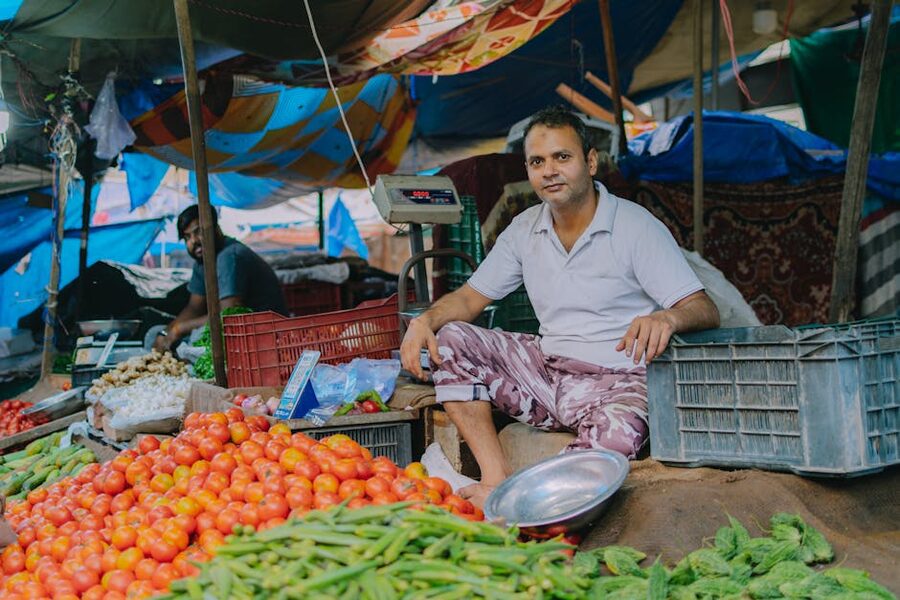
This part is the thing I most wish I’d understood earlier. Tourism money does not flow evenly, and the headline number tourism boards put in press releases hides a much messier story about who eats the loss when bookings dry up.
Roughly: a dollar at a small family-run guesthouse, a market stall, a freelance guide, a homestay, or a cafe that uses local suppliers, stays in the local economy and gets respent locally within days. That same dollar at an international all-inclusive chain or a foreign-owned cruise line stays mostly with the parent company. Some comes back as wages to local staff (housekeepers, pool attendants, kitchen workers on modest salaries) and some pays for locally sourced food, but a lot of it leaves the country.
This matters all the time, but it matters disproportionately during a downturn. When tourism volume drops by half after a crisis, the international resort takes the hit centrally. They might furlough some local staff, but they don’t go out of business, and their owners absorb the loss across a portfolio of hotels in places that are still doing fine. The family running a six-room guesthouse half a kilometre away, whose only month is the month after monsoon, has zero margin for a missed season. They don’t get furloughed. They lose the year.
So one of the most useful things you can do as a traveller during or after a crisis is shift where your money lands. If you’re going at all, the family-run thing. The place owned by the person who lives upstairs. The local guide hired directly. The souvenir bought from the artisan who made it. There’s a longer version of the souvenir argument elsewhere on this site, but the principle applies hard during a crisis: small money, locally aimed, is more useful than big money, abstracted away.
Supporting hosts who lost their season
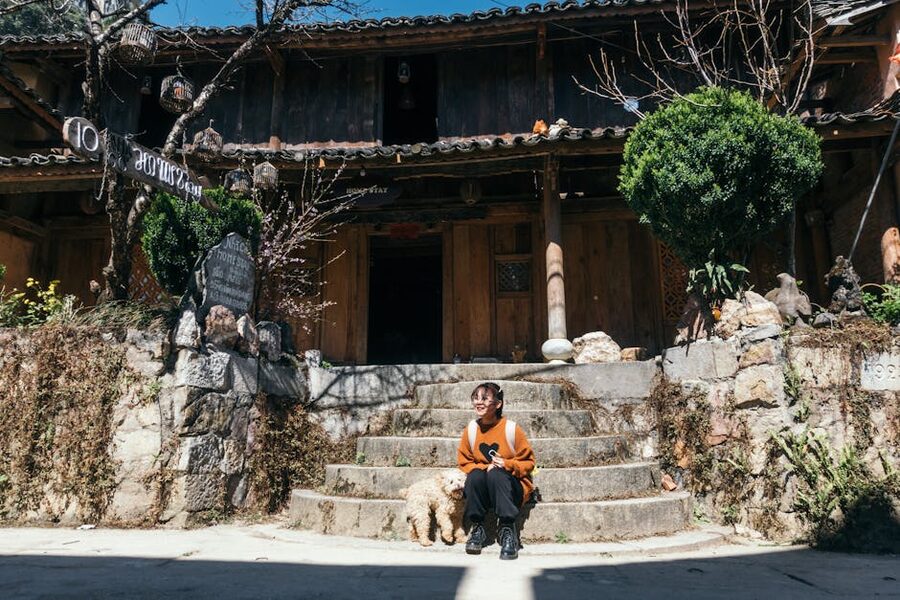
Even if you decide not to go, there are ways to keep money flowing toward the people who would have hosted you. They’re not glamorous, but they add up.
The first is to push your booking, not cancel it. If you’ve paid a deposit on a small operator and the trip is no longer feasible, ask if you can reschedule for the same time next year rather than refund. Most independent operators would rather hold your money for twelve months than give it back, because the cash flow gap is what kills them.
The second is to buy direct from the artisans, restaurants, or markets you remember from a previous trip. A surprising number of small shops will ship internationally if you email and ask. Pottery from a co-op in northern Thailand, coffee from a farm in Nicaragua, olive oil from the family who hosted you in Crete. Even at marked-up shipping costs it tends to land more usefully than a generic relief fund.
The third is more abstract but underrated: amplify. If a destination you love is being written off because of bad news that doesn’t actually apply to most of the country, post about it. Share the small operator’s social account. Tell your friends “Cappadocia is fine” if Cappadocia is in fact fine. The 2018 Nicaragua case, where a country lost its tourism season because Western news lumped surf towns together with Managua, was partly a media problem. The counterweight is people who actually know the place speaking up.
The fourth, where it’s appropriate, is to donate to a local organisation rather than to an international relief charity. The big international names (Red Cross, Doctors Without Borders, ShelterBox) do useful work, but a chunk of every dollar is taken up with overheads in their head office country. A donation to a small local NGO or a community fund usually goes further per dollar. The catch is that finding one isn’t easy at a distance. Two reasonable signals: the organisation has been operating in the region for years, and the people who run it are from the region. There’s a sibling article on this site about supporting places you love when you can’t actually go, and it goes deeper into how to find local recipients without getting fooled by the slick websites.
Choosing operators that survived without cutting corners
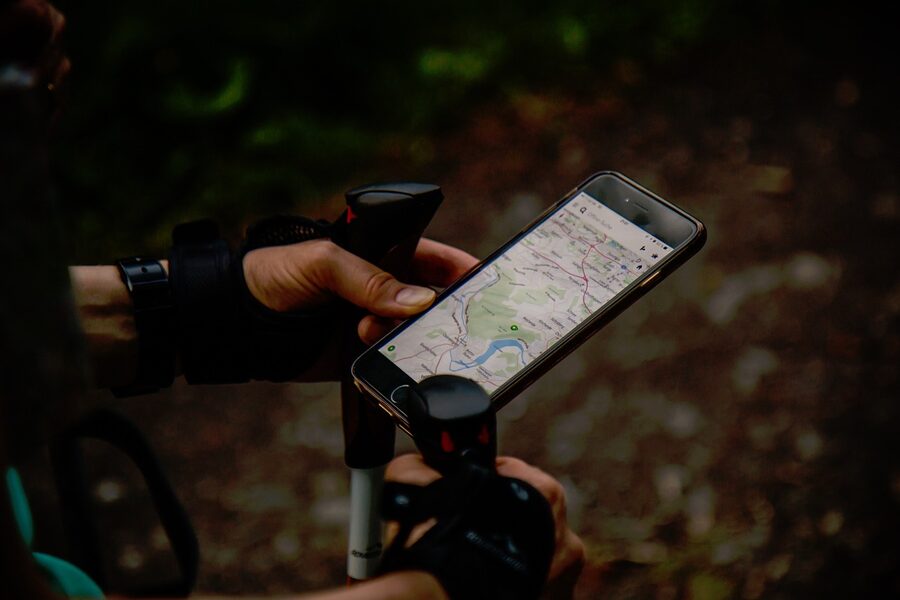
Crises do thin the herd. After a tough season, some operators close, some get bought, and some squeeze costs in ways that aren’t always obvious. The one that survived without cutting corners is usually the one you want, and there are a few ways to spot them.
If a tour operator in a recovered region is offering a price that looks improbable, ask why. After the Nepal earthquake, some operators slashed prices to fill itineraries, then quietly reduced what they were paying porters and guides to make the maths work. The way you check is to ask, in an email before you book, what the operator pays its guides and porters, and whether tipping is on top or rolled in. A real operator will tell you. A corner-cutter gets vague.
The other useful question, especially in a region that’s recovering: did you keep your team employed during the worst of it? Operators who held onto their team during a downturn are usually proud of it and will say so. Mountain Lodges of Peru, after Machu Picchu was closed during the 2022-23 unrest, reduced salaries by up to half and furloughed staff (the CEO deferred his own paycheck) rather than cut indirect staff loose. The next traveller who books with them is, in a small way, recognising that.
One more signal: the one that matters more after political crises than after natural ones. Operators on the ground in Iran, Cuba, or other countries under sanctions or boycotts have a particular kind of resilience and a particular set of moral arguments. Whether or not you visit those places is a personal decision, but the operators who keep showing up to host travellers in places others write off are doing the harder version of the job, and they tend to be unusually good at it. They’ve had to be.
The trauma tourism question
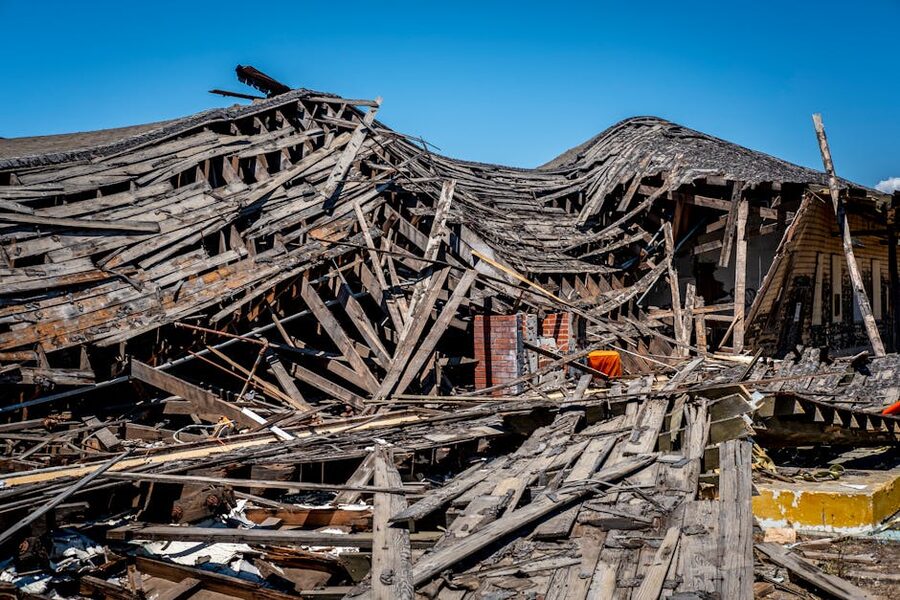
This is the part that gets most uncomfortable, because the line is genuinely fuzzy. When is going to look at a recently devastated place a way of bearing witness, and when is it just rubbernecking?
The post-Katrina New Orleans case is one I keep coming back to. In the months after the 2005 flooding, a small industry of “Katrina tours” sprang up, driving visitors through the Lower Ninth Ward to look at houses with boats sitting on top of them. A lot of locals hated it. The city eventually banned tours of the worst-hit neighbourhoods. Kelly Schultz, who works in the tourism bureau there and whose own family lost everything, put it in a way I can’t improve on: nobody wants to clean out the remains of a house that’s been in their family for generations while a tour bus drives by.
And yet a different kind of visitor showed up in the same period. College kids on spring break who skipped the beach and came to gut someone’s flooded house. Volunteers from churches who turned up to rebuild. Tourists who came to drink in jazz bars and tip generously. The line between trauma tourism and bearing witness wasn’t where you went. It was what you did when you got there. The Lower Ninth Ward tour was extraction. The spring-break demolition crew was contribution.
So the test I use, when I’m trying to decide whether visiting a recently affected place is the right call, is roughly this: are the people who live there inviting visitors in, in some form, to a specific kind of engagement? A guided walking tour of a wildfire-affected coastline, run by locals, with proceeds going to a recovery fund, is one thing. A self-driving cruise through a burned-out neighbourhood with the camera out is another. The first exists because the community wanted it to. The second exists because someone with a car decided to.
The harder test: would the photo I’m about to take feel weird if the family who lived in the house behind me saw it? If yes, don’t take the photo. If a moment exists primarily to be posted, and the moment is in front of someone else’s catastrophe, the post is doing a thing that isn’t what it pretends to be.
The climate-disaster-as-attraction problem
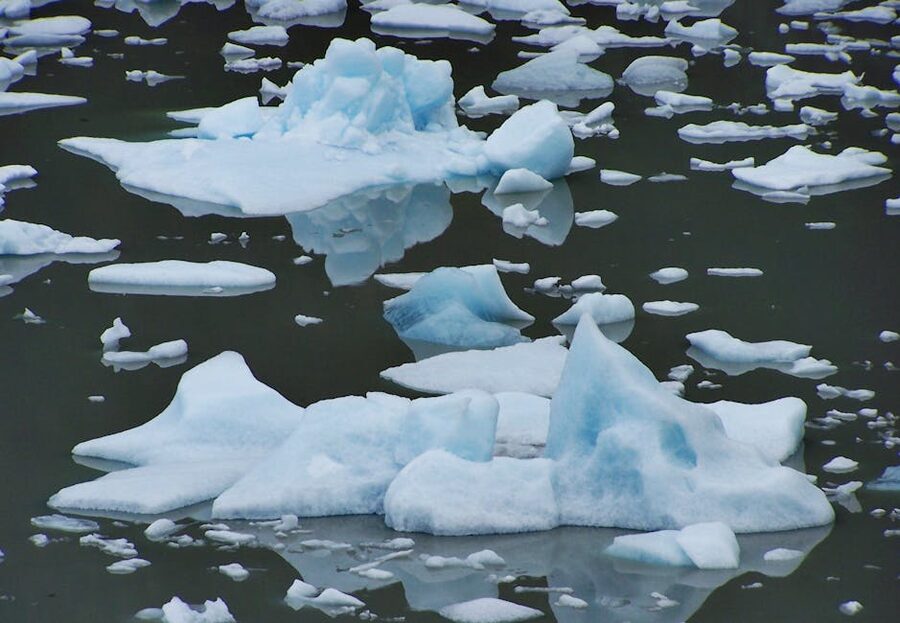
There’s a related thing happening around climate change, which is harder to write about because the people doing it are usually well-intentioned and the destinations they’re going to are often dependent on the income.
The phrase that gets used is “see it before it’s gone”. Glaciers in Iceland and Patagonia, the Great Barrier Reef, low-lying Pacific island nations, ski seasons that are getting shorter. The marketing for some of these is openly framed as last-chance tourism. Glacier tourism in Iceland has roughly doubled since 2015. There are tour operators advertising trips to islands that are projected to be uninhabitable in twenty years.
The case for going is real. The income matters to the destinations, the experiences are educational in a way that statistics aren’t, and the people who go often come back as advocates. The case against is also real. Most of these trips involve flying long distances, which is itself the cause of the thing you’re going to see disappear. There’s something queasy about flying to look at a melting glacier, even if the local guide pays their rent on your visit.
I don’t have a clean answer to this. The version I’ve landed on is to try to make these trips count: longer stays, fewer flights per year, more time per place, real engagement rather than the photo and the move-on. Marie-Julie Gagnon, the Quebec writer behind Voyager mieux, frames it as a personal carbon budget: a return flight to Paris is roughly a tonne and a half of CO2, and if your annual budget is two tonnes (which is roughly what works on a planetary scale), then that one flight is most of your year. It’s a useful number to keep in your head.
There’s another thread to this, which is greenwashing. Tour operators have figured out that “eco” sells, especially during climate-aware crises, and the marketing language has run ahead of the substance. There’s a fuller piece on greenwashing on this site that goes into the specific tells. The rough version: if a polluting industry starts talking about carbon neutrality without showing you the maths, that’s a flag. Trauma tourism and greenwashing are cousins, both the marketing layer of a real concern doing the opposite of what the words suggest.
How to verify need from a distance

This is the practical part. When the news breaks and you’re trying to figure out what’s actually happening on the ground, here is what has worked for me, in rough order of trustworthiness.
The first source: people you know who are there, or used to be, and who answer messages quickly. If you’ve been to the place before and stayed in touch with someone, message them. The owner of the guesthouse, the guide who walked you somewhere, the friend of a friend who teaches in the city. They’ll tell you the truth in a way that no tourism board ever can, and they’ll often tell you without pretending to be neutral, which is more useful than balanced reporting.
The second source: local journalists. Most cities and many regions have a handful of journalists writing in English (or in your reading language) about their own place. They are usually not famous outside the region. Their Twitter, BlueSky, Mastodon, or Substack is often the first place a new development shows up cleanly. Find two or three you trust and follow them.
The third: small tour operators based in the affected place. Their websites and social channels tend to be painfully clear about what’s happening, partly because they have nothing to gain from spin. The two-person outfits running walking tours of a quarter you love will tell you “the harbour is fine, the airport runs, our walks are running, the museum is closed for two more weeks”. That’s gold.
The fourth: official tourism boards, but with a heavy pinch of salt. Their job is to keep visitors coming, and during a crisis their messaging skews toward “we are open” before the reality on the ground catches up. Read what they say, but read it as a campaign, not as ground truth.
The fifth, and the most cautious: news media. Big outlets give you the headline and a couple of representative images. They don’t give you the texture you need to make an actual decision. If you’re relying on CNN to figure out whether to go to Nepal three weeks after a quake, you’ll cancel. If you’re talking to a trekking operator who runs trips in the Annapurna region every week, you’ll learn the route is fine.
The sixth: government travel advisories. As the Egypt example shows, these tend to lag and be conservative. Worth checking, but a binary go-or-not decision based on the advisory alone is often wrong. Treat them as a backstop, not a primary source.
A short sample script for asking the right questions
If you’ve decided to message a small operator before booking a trip to a recovering destination, the questions that have worked for me are roughly:
- Are your trips in this region currently running, and if so, what changes have you made versus a year ago?
- Are there parts of your usual itinerary that are off-limits for safety or for respect for affected communities, and how did you decide?
- Did you keep your guides employed through the downturn?
- What does the local community feel about visitors coming back at this point?
- If we book and the situation worsens, what’s the rebooking and refund policy?
You’ll learn more from how they answer than from what they answer. A real operator gives you specifics. A corner-cutter gets vague. The answers also tell you something about the destination: a community that’s openly inviting visitors back is a different signal from one where the operator is hedging.
What I’d do, if it were me
I’m wary of telling anyone what to do, but here is the rough decision tree I use, for whatever it’s worth.
If the active emergency is still ongoing, I wait. Days, not weeks usually, but I wait. I send the deposit to a small local relief fund if I can find one. I don’t try to volunteer unless I happen to have a skill that someone has specifically asked for.
If the emergency is over and recovery is underway, I look at the map. Where, exactly, is the destruction? Where, exactly, was I planning to be? If they don’t overlap, I ask the people there if they’d like me to come anyway. If the answer is yes I go, and I shift my spending toward the small operators harder than I usually would. If the answer is “we’d rather you waited a couple of months”, I push the trip.
If the destruction is exactly where I was going, I think hard about whether the visit is for me or for them. A local-run tour specifically designed to bring respectful visitors through, run by people from the affected community, is usually a yes. Driving around taking photos is a no. Contributing to recovery is welcome. Watching it is not.
If it’s a slow-burn crisis, the climate version mostly, I try to take fewer flights for longer and not lie to myself about the carbon. Once to a glacier for a week, paying attention, rather than three times in five years tweeting about the loss.
And if I’m not going at all, I try to keep the money flowing some other way: pushing the booking instead of refunding, buying from artisans I met, donating local rather than international, telling people I know that the place still exists and still cares about them coming.
None of this is a checklist. None of this gets it right every time. The case I made above for “going helps” is one I’ve used to talk myself into trips I now think were marginal calls, and the case for “stay away” is one I’ve used to talk myself out of trips I should have taken. You’ll occasionally get this wrong. The people most affected by a crisis tend to be generous about that when you do, as long as you came with the right intent. The intent matters more than the algorithm.
For a wider read on what makes any trip more thoughtful, the broader piece on sustainable tourism on this site covers ground that’s relevant whether or not there’s a crisis happening. The crisis just makes the everyday questions sharper. Where does my money land. Whose voice am I listening to. What do the people who live here want. Those are good questions on a sunny week in a destination that hasn’t seen a headline in years. They’re better ones now.